Facebook
 X
X
 Pinterest
 Copy Link
Home Matters: Safety Tips for the Bathroom
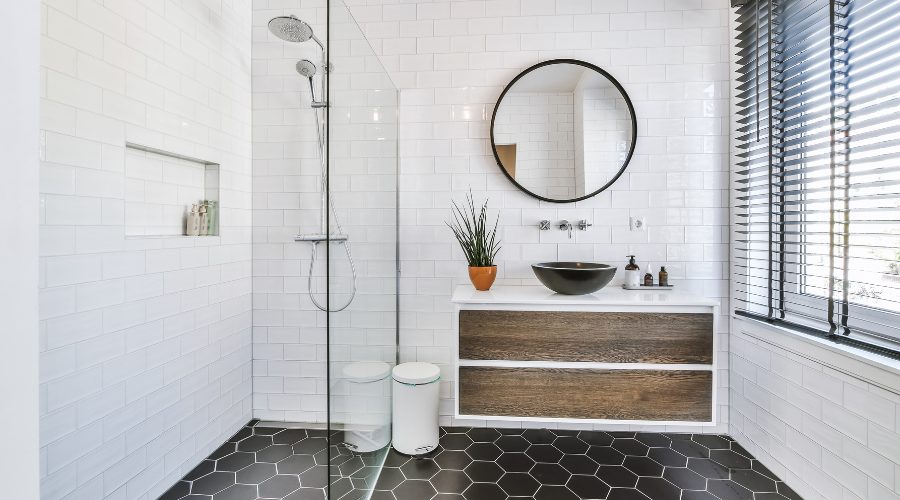
January is National Bath Safety Month, so it might be a good time to review some basic bathroom safety tips to stay safe in the new year. According to the Consumer Products Safety Commission, one third of all household falls occur in the bathroom, and almost four hundred people fall in the bathroom or shower every single day in the U.S.
It isn’t just older individuals or children who need to take care in the bath. Accidents can happen at any time, so it is important that all are cautious in this room of the home.
By following a few basic safety tips, you may be able to greatly reduce the risk of injury in the bathroom.
Add some traction – Decrease the slip factor with some type of non-skid surfaces in the tub and/or shower. Tubs and shower surfaces can be slippery, especially when water is present. A simple rough surface for the foot to grip getting in and out of the tub or while showering makes a tremendous difference in potentially reducing the risk of a fall.
Add a Mat – Again, slipping on bathroom floors is another possible hazard. Having a secure floor mat may help prevent slipping on the bathroom floor after getting out of the tub or shower.
Give Yourself a Hand (Rail) – Install grab bars to aid in getting in and out of the tub/shower safely.
Minimize Electric hazards – Keep hair dryers and electric appliances clear of water sources.
Decrease Clutter – Keep the floor clear of anything that might trip you up as you move around your bathroom. This might include items such as children’s toys that were left in the tub, laundry on the floor or other neglected items.
Unlock the Door – It’s actually a good idea to keep the bathroom door unlocked to allow for quick access if someone does take a fall.
Don’t get burned – Test your water before getting in the tub or shower. Also, take care to keep young children away from hot water where they have a higher risk of being burned. You can do this the old fashioned way with your hand (carefully), or you can go a little higher-tech and install anti scalding devices.
Safety for Little Rubber Duckies – If you have children or grandchildren, take extra precautions to keep their baths safer. Add cushioned covers to water faucets and never leave them in the bath unattended.
Keep these simple tips in mind this January to have a safer new year in the bath.
A New Hobby for the New Year!
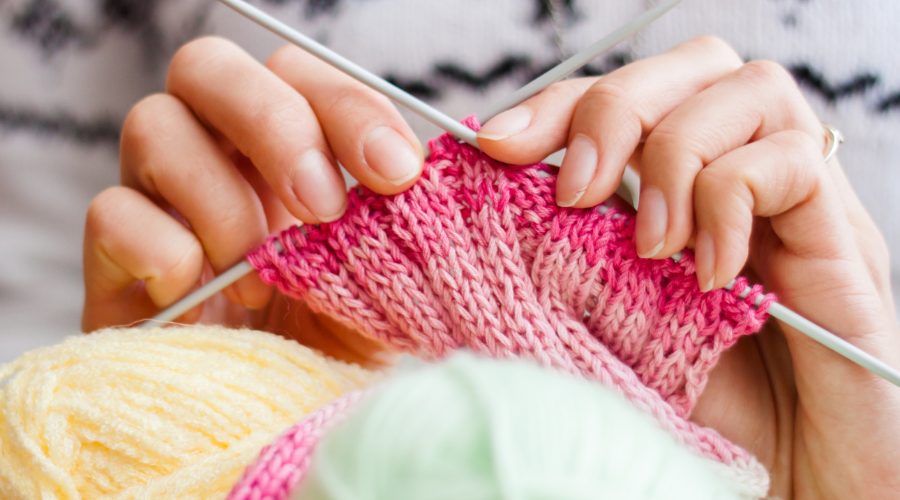
Did you know January is National Hobby Month? According to recent study, 56% of consumers say they have multiple hobbies. Do you fall in this category?
Nearly a quarter of consumers say they have only one real hobby that they practice or participate in regularly. More than half of individuals wish they had more time to pursue their hobbies.
Just what are some of the more popular hobbies that people enjoy? They include activities like playing video games, reading, gardening, photography, making jewelry, taking hikes, collecting coins, painting or fishing.
Check out this chart with some of the most popular hobbies, ranked below.
Looking for a new hobby to pursue in 2023? Maybe one of these will give you some inspiration!

What is Radon and How Can You Protect Your Home?

We all want our homes to be healthy places for our families to thrive, so it’s important to understand the threats that may be present. One such threat is radon, a tasteless, odorless, and colorless radioactive gas that occurs naturally as uranium decays in rock, dirt, and sometimes water.
We are primarily at risk to radon in our homes when we breathe it in as it rises from the ground beneath us. It’s important to understand the threat radon poses, but also what we can do to mitigate its effects.
Did you know radon is the second leading cause of lung cancer in the U.S. According to the EPA? Plus, 1 in 3 homes checked in seven states had screening levels significantly higher than the EPA’s acceptable level for radon exposure.
It’s a good idea to get your home checked out for radon. There are no symptoms for radon exposure and its effects take years to manifest. Proper testing is the only way to know your home’s radon levels. The EPA has estimated that as many as eight million homes in the U.S. have dangerous levels of radon. That’s as many as one in five homes.
You can purchase a DIY radon testing kit at hardware stores, many big box retail chains, online, and even from your local health department. The testing kits are easy to use and inexpensive. You can get passive devices like charcoal canisters or charcoal liquid scintillation detectors. Once used, the test kit is sent to a lab for analysis. You can also get professional testers to come to your home. If you decide to hire professionals, make sure they are on a certified list provided by your state radon office.
The most common way to mitigate or prevent radon from entering your home involves vents and exhaust fans combined with sealing off your basement to prevent radon from entering. The cost varies depending on the size of your home, but usually ranges somewhere between one and two thousand dollars.
Radon is potential threat to the health of you and your loved ones, but there are easy ways to find out if your home is at risk.
Click here to learn more about the National Radon Action Plan.
For more information about Radon Testing in Tennessee, call one of the Toll free hotlines at 800-232-1139 or 888-891-8332. You may also email tdec.radon@tn.gov or tn.health@tn.gov or visit this site to request a free test kit.
Make Your Home More Energy Efficient in Winter
If you’ve lived through a winter in East Tennessee, you know it can be hard on your wallet. According to the Department of Energy, cooling your home in the summer and warming it in the winter account for a little over half of all your home’s energy use. Anything that helps keep your heating costs down is worth looking into. Here are a few tips for lowering your heating costs this winter.
Attic Insulation-
A properly insulated attic can reduce your heating costs by keeping the heat in longer. It also keeps the heat out during the hot months. It won’t break the bank, and it pays for itself pretty quickly by reducing your heating (and cooling), costs. Make sure you know the rules and regulations for your region and research the local providers to make sure you’re using a reputable and licensed service provider.
Your Chimney-
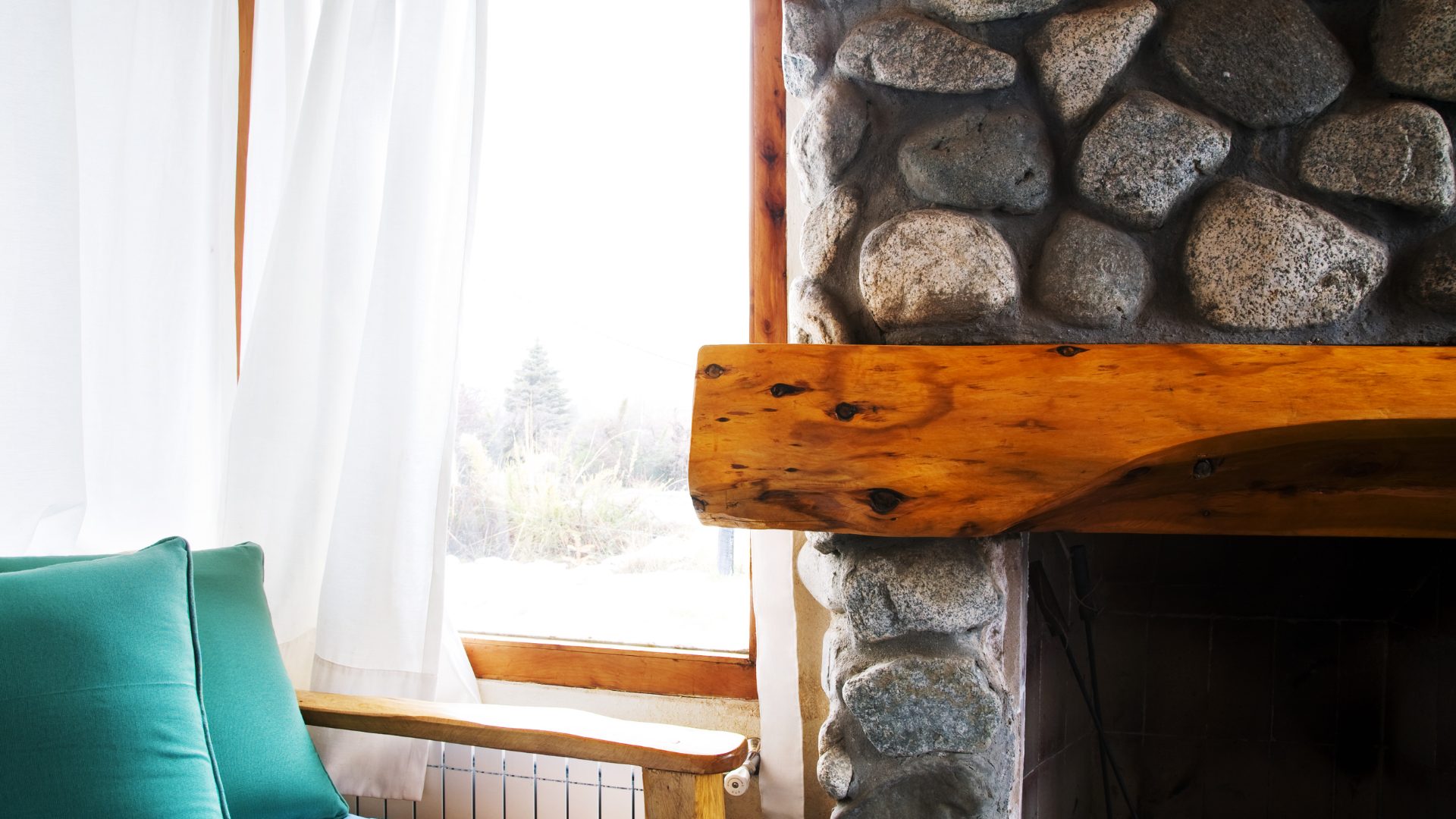
If you have a chimney, you could be losing heat through it even if you have your damper closed. It’s probably not airtight, which means there’s a draft, bringing cold air straight into your home.
The easiest way to address this problem is a glass fireplace door. You can get a fitted door at big box hardware stores and other retailers.
Energy Efficient Windows-
Outdated windows leak warm air out and let cold air in. Single pane windows do very little to keep your house warm in the winter. Double pane windows with dead space in between the panes greatly reduce warm air escaping and cold air coming in.
A complete window upgrade can be pricey, but the savings can be as much as twenty percent or more on your heating bill. A temporary solution is to put plastic sealing over unused windows during the cold months.
Turn Down Your Water Heater-
Most water heaters come from the factory set at 140 degrees Fahrenheit. Try dropping yours a few degrees, maybe even down to 120 degrees Fahrenheit, and watch your heating costs drop. You can potentially see up to five percent savings for every ten degrees you drop the setting on your water heater.
These are just a few ideas for reducing your wintertime energy costs. Find out what works best for you and your home this winter.
How to De-Clutter Your House in the New Year

Happy New Year! A brand new year means resolutions for everything from your diet to your budget or even how you spend your time. Do you ever make resolutions that are related to your home?
Research shows that an organized home can lower your stress level and help you spend your time more efficiently. Maybe this year’s resolutions can include one for making the place you live more organized.
Here are some simple tips for getting your home organized in the new year.
Purge-
Most of us have a lot of stuff in our homes that we don’t use, and possibly never will. This could include items such as clothing, electronics, kitchen appliances, even furniture. Explore each room in your home, and be willing to consider which things you don’t need or want. If you’re not using something today and haven’t been for some time, chances are you won’t miss it. There are several options for getting rid of household items, from selling it on a local Marketplace app as well as donating it to a charitable organization. Some will even send a truck to pick up your items being donated!
After you de-clutter your home, there’s a good chance you’ll immediately feel a greater sense of peace. But this isn’t just something you can do once and never think about again. Consider how your home got cluttered in the first place. Maybe you need to try to change some of your overzealous buying habits. Once you’ve accomplished the successful purge, be extra thoughtful about what you bring into your home.
Rethink Your Storage Methods-
Have you ever looked around your house and thought nothing is where it’s supposed to be? Think about how you’re storing the stuff in your home. Are your coats all on hangers and in the “coat” closet? Are your shoes neatly lined up under your bed or in racks in your closet or are they strewn throughout your house? Are your bathroom closets a messy jumble of towels and linen?
A good rule of thumb is this: “A place for everything, and every thing in its place.” It seems simple, and it is. But this simple method can save you a lot of stress and headache around the house. Need to maximize your storage options? Consider dividers in drawers and risers in your closets. Look at how you’re storing things and find a way to make it more effective and efficient. There are containers available for nearly everything under the sun. Of course, going out and buying a bunch storage bins may not be the answer for everyone. Put some real thought into it and you’ll come up with some storage methods that fit your life and your stuff.
Think Seasonally-
Your wardrobe can be divided by seasons and stored away when not in use. Why contend with your abundant sweater collection while you’re searching your closet for the perfect sundress this spring? There’s plenty of other stuff you can also store away based on the time of year. You don’t need your space heater in summer or your rotating fan in winter. The pool gear, snow sleds, galoshes, snow shovels, and garden hose can all be stored neatly away until you need them.
Toys-
There’s a time honored solution for storing your children’s toys: the old fashioned toy box. You can even teach your kids organizational skills by having them group specific types of toys in specific container or areas of the house. You can also use an ottoman or a trunk used as a coffee table for storing toys in the living room.
Have you ever heard of the 5 Minute Clean Up Method? There’s even a catchy song that you can play during clean up time! This is a great way to teach family members of all ages about just how much you can accomplish in a short time for clean up.
Find Unused Spaces for Storage –
No matter how large or small your home may be, there’s a good chance it has some form of unused space that would be perfect for storage. Maybe there’s a spot under the stairway that’s perfect for building shelves or even a hidden storage area. Think outside the box and look for ways to maximize your space. An unused cabinet or shelf, or maybe an area in the garage could be the perfect place for storing holiday decorations, pet supplies, cleaning supplies, or even children’s toys.
Getting your home organized is a great way to increase the peace and serenity in your life. Start getting your home tidied up today! If after a New Year’s cleaning and organization session, your home still just won’t hold all your stuff, it might be time for a larger space! We can help with that. Perhaps you’re looking to downsize because you realize you just don’t need as much space as you have currently. We can help with that too!